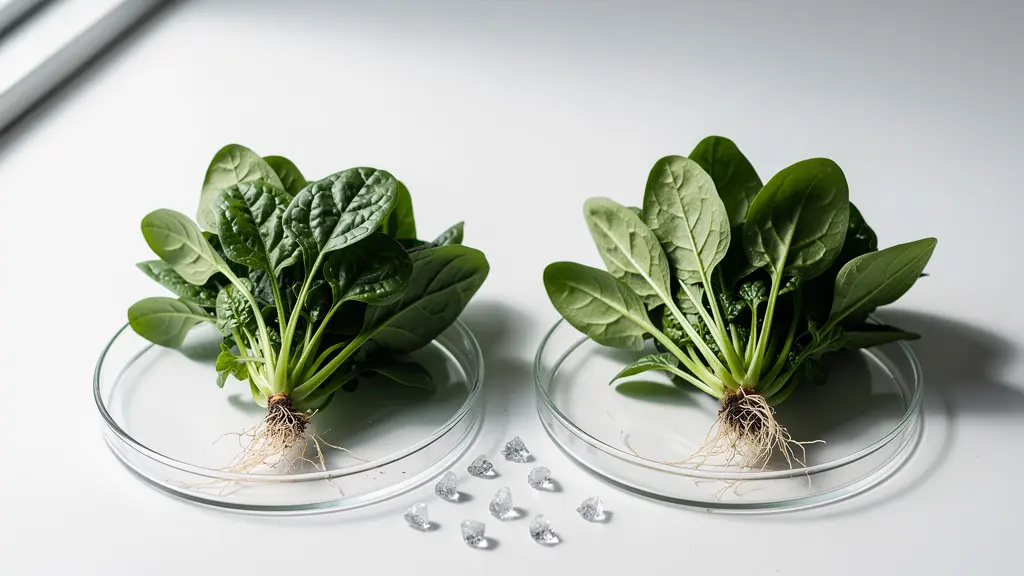
The nutritional advantage of organic food for athletes comes from the health of the soil, not just the absence of pesticides.
- Nutrient density is a direct result of a living soil microbiome that makes minerals like magnesium more available to the plant.
- “Fresh” isn’t always best; flash-frozen organic produce often retains more vitamins than conventional produce that has traveled long distances.
Recommendation: Prioritize food from healthy biological systems (organic, regenerative) as an investment in nutrient bioavailability and reduced systemic toxin load, rather than just a label preference.
For the health-conscious athlete, the grocery store aisle presents a constant dilemma. On one side, conventional produce: affordable and familiar. On the other, the organic section, promising a healthier, purer alternative at a premium price. The debate often centers on pesticide residue, a valid but incomplete picture. Many argue that a good wash is sufficient, or that the nutritional difference is negligible, making the extra cost an unnecessary luxury. This view, however, overlooks the most critical factor in a food’s nutritional value: its origin story.
The conversation about “organic vs. conventional” is fundamentally flawed if it doesn’t begin underground. From an agronomist’s perspective, the true difference isn’t just what’s sprayed (or not sprayed) on the plant, but the vitality of the soil it grows in. A healthy, living soil is a complex ecosystem, a bustling microbiome of fungi and bacteria that actively works to nourish the plant. An industrially farmed soil, often treated as a sterile medium, cannot provide the same foundation for nutrient density.
This article reframes the debate. We will move beyond the surface-level argument of pesticides and explore the core mechanisms that dictate nutrient quality. The key question is not whether a label justifies the cost, but whether the underlying agricultural system produces food that is biochemically superior for athletic performance and recovery. It’s a matter of investing in a superior biological system, from the soil’s fungal networks to the athlete’s cellular function.
We will dissect the science behind soil health, demystify food labels, and provide practical frameworks for making the smartest choices—whether in the produce aisle or a restaurant. This guide provides the tools to understand food not as a product, but as an outcome of an entire ecosystem.
Summary: Unearthing the Real Value of Organic Food for Peak Performance
- Why mineral-rich soil leads to higher magnesium levels in spinach?
- How to identify “greenwashing” labels at the grocery store?
- Frozen Organic vs. Fresh Conventional: Which is better in winter?
- The toxin accumulation risk: Why peeling non-organic fruit isn’t enough?
- When to buy local to ensure maximum vitamin retention?
- Magnesium vs. Melatonin: Which is safer for long-term athletic performance?
- Why processed sugar keeps your joints inflamed 24/7?
- How to Navigate a Restaurant Menu Without Ruining Your Diet?
Why mineral-rich soil leads to higher magnesium levels in spinach?
The story of nutrient density begins not on the grocery store shelf, but deep within the soil. For an athlete, minerals like magnesium are non-negotiable for muscle function and energy production. Yet, a plant’s ability to absorb these minerals is entirely dependent on the health of the soil microbiome. In a vibrant, organic soil, a vast network of mycorrhizal fungi forms a symbiotic relationship with plant roots. These fungi act as an extension of the root system, mining the soil for minerals and water far more effectively than the plant could alone, and delivering them in a form the plant can readily use.

This biological partnership is the engine of true nutrient density. Conventional agriculture, which often relies on synthetic fertilizers, can disrupt this delicate ecosystem, leaving plants to passively absorb whatever is chemically available. The result is produce that may look the same but is biochemically inferior. Furthermore, nutrient availability isn’t the whole story; nutrient bioavailability is what truly matters. For example, even in magnesium-rich spinach, the presence of oxalates can be a limiting factor. As one study shows, magnesium absorption from spinach is only 26.7% compared to 36.5% from kale, a low-oxalate vegetable. A healthy soil system can influence these complex interactions, ultimately determining how much of a vital mineral your body can actually use.
How to identify “greenwashing” labels at the grocery store?
Navigating the modern food landscape requires a critical eye, as marketing terms often obscure the reality of a product’s origin. For an athlete seeking genuine nutrient quality, understanding the hierarchy of food labels is crucial to avoid “greenwashing”—the practice of using misleading claims to imply a product is more environmentally friendly or healthier than it is. Terms like “All-Natural,” “Farm-Fresh,” or “Sustainably Grown” are often legally meaningless, offering no guarantee of farming practices or nutritional benefit. They are marketing tools, not quality assurances.
To make informed choices, athletes should rely on legally defined, third-party certified labels. These certifications provide a baseline of trust, ensuring that specific standards have been met. The key is to recognize what each label actually promises, as their requirements—and therefore their athletic benefits—vary significantly.
The following table breaks down common labels to help you distinguish between a genuine indicator of quality and a marketing ploy. The “Red Flags” column is particularly important, as it highlights where a label’s promise might fall short of an athlete’s nutritional expectations.
| Label Type | Legal Requirements | Athletic Benefit | Red Flags |
|---|---|---|---|
| 100% Organic | 100% of ingredients must be certified organic. | Maximum nutrient potential and minimal pesticide exposure. | None, this is the highest standard. |
| Organic | At least 95% of ingredients must be certified organic. | High nutrient density and very low pesticide risk. | Check the remaining 5% of ingredients for non-organic additives. |
| Made with Organic | A minimum of 70% certified organic ingredients. | Moderate benefit, better than conventional. | Up to 30% can be conventionally grown, potentially containing pesticides. |
| Natural | No legal definition. Vaguely implies no artificial ingredients. | No guaranteed benefit. Does not relate to farming methods. | Pure marketing term; can include GMOs and pesticide-treated crops. |
Ultimately, the most trustworthy labels, like Regenerative Organic Certified and USDA Organic, are those that regulate the farming system itself, which directly correlates to the soil health and nutrient density we discussed earlier. Less stringent labels are a compromise that may not deliver the full performance benefits you’re paying for.
Frozen Organic vs. Fresh Conventional: Which is better in winter?
The term “fresh” evokes images of peak nutrition, but for an athlete, this can be a misleading concept, especially during winter months. The clock on nutrient retention starts ticking the moment produce is harvested. Vitamins, particularly water-soluble ones like Vitamin C and B vitamins (including folate), are highly unstable and degrade rapidly when exposed to heat, light, and oxygen. This is the critical factor in the frozen versus fresh debate. As the Newcastle University Research Team noted, organic produce can have significantly higher nutrient values, but those nutrients must survive the journey to your plate.
Conventional “fresh” produce in winter has often traveled thousands of miles over several days or even weeks, sitting in trucks and warehouses. During this time, its nutritional value plummets. For instance, studies show that Vitamin C in fresh kale can decrease by 80% within just 48 hours of being picked. By the time it reaches a supermarket in a cold climate, its “fresh” label is a testament to its appearance, not its biochemical potency.

In contrast, organic produce destined for freezing is typically processed within hours of harvest, at its absolute peak of ripeness and nutrient density. The flash-freezing process locks in these vitamins and antioxidants, effectively stopping the degradation clock. For an athlete seeking maximum recovery benefits from the antioxidants in berries or the Vitamin C in greens, a bag of frozen organic produce is often a biochemically superior choice in winter compared to its well-traveled “fresh” conventional counterpart. The choice is between the illusion of freshness and the guarantee of preserved nutrition.
The toxin accumulation risk: Why peeling non-organic fruit isn’t enough?
A common argument against buying organic is the belief that one can simply wash or peel away pesticide residues from conventional produce. While washing is always recommended and can reduce surface contaminants, this view dangerously misunderstands the nature of modern agrochemicals. Many pesticides used today are systemic, meaning they are absorbed by the plant’s root system and distributed throughout its entire structure—into the flesh, leaves, and fruit. These chemicals become part of the plant’s tissues. No amount of peeling or scrubbing can remove them.
When you eat a conventionally grown apple or strawberry, you are not just risking exposure to what was sprayed on its surface, but also to the chemicals integrated within its very flesh. This is a critical concern for athletes, as many of these systemic pesticides are known endocrine disruptors. They can interfere with the body’s hormonal systems, potentially impacting testosterone production, cortisol regulation, and thyroid function—all of which are vital for muscle growth, energy metabolism, and recovery.
The “Dirty Dozen” list, published annually by the Environmental Working Group, consistently highlights produce like strawberries, spinach, and apples as having the highest concentrations of pesticide residues, even after washing. Choosing organic for these specific items is a targeted strategy to minimize your exposure to this systemic contamination. The idea that the peel is the only problem is a relic of a bygone era of farming. Today, the risk is integrated, making the choice of a cleaner agricultural system—like certified organic—a more reliable method of defense.
When to buy local to ensure maximum vitamin retention?
The principles of nutrient density from healthy soil and nutrient degradation over time converge in one powerful strategy: buying local. Sourcing produce from local farms, especially those using organic or regenerative practices, is the most effective way to shorten the time between harvest and consumption, thereby maximizing the vitamins you receive. As we’ve seen, nutrients like folate and Vitamin C are incredibly fragile. Buying from a farmers’ market allows you to get produce that was likely picked that morning or the day before, delivering it to you at its nutritional peak.
This approach gives you a level of transparency and control that is impossible in a large-scale supermarket. You can speak directly to the farmer about their practices and, most importantly, the harvest time. This direct connection bridges the gap between the farm and your kitchen, ensuring the food’s vitality is preserved. Studies consistently show that organic foods are characterized by a higher content of antioxidant bioactive compounds, and buying local ensures you get the full benefit of that advantage. It transforms food purchasing from a simple transaction into a strategic part of your nutritional plan.
Your Action Plan: The 48-Hour Rule for Nutrient-Sensitive Produce
- Consume leafy greens (like spinach and kale) within 48 hours of harvest to maximize folate and Vitamin C intake.
- Ask farmers directly about harvest times when shopping at farmers’ markets to verify freshness.
- Store delicate leafy greens in sealed containers with a damp paper towel to help preserve folate levels.
- Don’t wash berries until just before eating to prevent the rapid degradation of their protective polyphenols.
- Choose root vegetables (carrots, beets) for longer storage, as their nutrients are more stable than those in leafy greens.
By prioritizing local food systems, an athlete is not just supporting their community; they are implementing the most effective strategy for capturing the full, potent nutritional profile of their food, directly fueling their performance and recovery.
Magnesium vs. Melatonin: Which is safer for long-term athletic performance?
A food-first philosophy, rooted in nutrient-dense organic produce, extends beyond mealtime and into critical recovery processes like sleep. Athletes often turn to supplements for sleep support, with melatonin being a popular choice. However, from a long-term performance perspective, there’s a clear distinction to be made between supplementing with a hormone versus a mineral. Melatonin is a hormone that regulates the sleep-wake cycle. While effective for inducing sleep, its long-term use can create dependency and potentially downregulate the body’s own natural production. This can lead to a “melatonin hangover,” causing grogginess that impairs morning training sessions.
Magnesium, on the other hand, is a mineral—a natural co-factor involved in over 300 enzymatic processes in the body. It doesn’t force the body to sleep; it supports the natural processes that lead to relaxation and rest. For athletes, its benefits are twofold: it aids in muscle relaxation, helping to prevent cramps, and plays a role in the nervous system’s regulation of stress, calming the body for sleep. Most importantly, it carries no risk of hormonal dependency. Sourcing magnesium from food, especially from mineral-rich organic sources like spinach, nuts, and seeds, is the ideal strategy.
This table compares the two from an athletic standpoint, clarifying why a mineral-based approach is a safer, more sustainable strategy for long-term performance.
| Aspect | Magnesium | Melatonin |
|---|---|---|
| Function | Mineral co-factor supporting natural processes | Hormone affecting sleep-wake cycle |
| Dependency Risk | No hormonal dependency | Can downregulate natural production |
| Athletic Benefits | Muscle relaxation, ATP production, cramp prevention | Primarily sleep induction |
| Morning After Effects | No grogginess when properly dosed | Potential ‘melatonin hangover’ affecting morning training |
| Food Sources | Spinach, nuts, seeds (especially organic) | Limited natural dietary sources |
Choosing magnesium, especially from whole food sources, aligns with a philosophy of supporting the body’s systems naturally rather than overriding them with external hormones. It’s a safer bet for consistent, high-level athletic performance.
Why processed sugar keeps your joints inflamed 24/7?
Inflammation is the enemy of athletic progress, and one of its primary drivers is processed sugar. While a focus on organic produce helps reduce the body’s toxic load, that benefit can be quickly undone by a diet high in refined sweeteners. The mechanism at play is a process called glycation. When excess sugar circulates in the bloodstream, it binds to proteins like collagen and elastin—the very building blocks of your joints, tendons, and ligaments. This reaction forms harmful compounds known as Advanced Glycation End-products (AGEs).
These AGEs cause the protein fibers in your connective tissues to become stiff, brittle, and dysfunctional. This leads directly to joint stiffness, reduced mobility, and a chronic, low-grade inflammatory state that undermines recovery and increases injury risk. This isn’t a temporary state; it’s a constant, 24/7 inflammatory pressure on your system as long as sugar intake remains high. While organic foods help by reducing exposure to inflammatory pesticide residues, the fight against inflammation must also be waged on the sugar front.
Case Study: Reducing Systemic Load with Organic Foods
Athletes who switch to organic diets significantly reduce their exposure to a wide range of harmful substances, including artificial pesticides and growth additives. These chemicals are directly linked to systemic issues like weakened immune function and hormone disruption. By minimizing this chemical load, the body’s detoxification and immune systems are less burdened, allowing more resources to be allocated to muscle repair and combating inflammation. Processed sugars work in the opposite direction, accelerating the formation of AGEs and creating a pro-inflammatory environment that makes joint stiffness and pain a constant reality.
Not all sweeteners are created equal in this regard. High-Fructose Corn Syrup is notoriously inflammatory, while natural, non-caloric sweeteners like Stevia have a minimal impact. Even “natural” sugars like honey and maple syrup, while containing some antioxidants, are still high-glycemic and contribute to AGE formation. The best approach for an athlete is to source sugar from whole fruits, where it is packaged with fiber and anti-inflammatory compounds that buffer its metabolic impact.
Key Takeaways
- The nutritional value of produce is determined by soil health; a living soil microbiome is essential for mineral absorption.
- Systemic pesticides are absorbed into the flesh of conventional produce, making peeling an ineffective strategy for avoiding toxins.
- Nutrient degradation is rapid after harvest; frozen organic or locally sourced produce is often more nutritious than “fresh” conventional items that have traveled far.
How to Navigate a Restaurant Menu Without Ruining Your Diet?
Applying a nutrient-focused philosophy can feel challenging when eating out, where you have little control over sourcing and preparation. However, with the right strategy, you can deconstruct any menu to align with your performance goals. The key is to shift your focus from the dish’s name to its core components and cooking methods. As sports dietitian Olivia Morgan advises, meals should be built around a balance of carbohydrates, proteins, and a variety of fruits and vegetables. This principle can be applied even in a restaurant setting.
Avoid menu descriptions that use keywords like “crispy,” “battered,” “creamy,” or “glazed,” as these are code for inflammatory fats and hidden sugars. Instead, look for terms like “grilled,” “steamed,” “roasted,” or “poached.” Sauces and dressings are the most common sources of hidden sugars and refined oils. Always ask for them on the side to control the amount you use. Don’t be afraid to make substitutions; most restaurants are happy to swap a side of fries for double vegetables or a side salad. This simple request can dramatically improve the meal’s nutritional profile, replacing empty calories and inflammatory ingredients with fiber and micronutrients.
Your Action Plan: The Deconstruction Method for Restaurant Ordering
- Mentally break down menu items into their core components: protein, carbohydrate, fat, and vegetable.
- Identify hidden sugars in sauces and dressings by asking for them to be served “on the side.”
- Scan for cooking method keywords, actively avoiding “crispy,” “battered,” and “creamy.”
- Prioritize preparations described as “grilled,” “steamed,” “roasted,” or “poached.”
- Make strategic substitutions, such as asking for double vegetables instead of refined carbohydrate sides like fries or white rice.
By using this deconstruction method, you regain control. You are no longer a passive consumer of a pre-designed dish but an active architect of a meal that fuels your body correctly, even when you’re away from your own kitchen. It’s about applying intelligence and foresight to make the best choice available.
Frequently Asked Questions About Organic Food and Athletic Performance
Can washing remove all pesticide residues?
Carefully washing fruits and vegetables under running water is effective at reducing surface residues, but it cannot remove systemic pesticides. These are chemicals that have been absorbed by the plant and are present within its flesh, making them impossible to wash away.
Which produce has the highest pesticide residue?
The “Dirty Dozen” is a list that identifies produce with the highest levels of pesticide contamination even after washing. It typically includes items with thin or edible skins like strawberries, spinach, peaches, and apples. Prioritizing organic for these items is a smart strategy to reduce your toxin load.
How do endocrine disruptors affect athletes?
Endocrine-disrupting pesticides, often found in conventional produce, can interfere with the body’s natural hormone balance. For athletes, this is a serious concern as it can negatively impact testosterone production, cortisol regulation, and thyroid function, which are all critical for muscle growth, recovery, and overall performance.