Elite recovery is not about passive rest; it’s a programmable system of timed environmental inputs designed to generate specific physiological outcomes.
- Precise sequencing of heat and cooling can trigger significant Growth Hormone release, while designated quiet zones are non-negotiable for recalibrating the nervous system.
- Environmental factors like the specific wavelength of light in a recovery room directly dictate melatonin production, impacting subsequent sleep quality and cellular repair.
Recommendation: Stop treating recovery as an afterthought and start designing it with the same data-driven precision you apply to your performance training.
For the elite performer, time is the most finite asset. Yet, the conventional approach to recovery—simply “resting”—is inefficient and untargeted. It treats downtime as an absence of activity rather than a strategic opportunity for physiological and cognitive enhancement. While others advocate for generic advice like “getting more sleep,” the top 1% understand that recovery, like training, is a science. It’s a series of inputs that can be manipulated to produce a desired output, whether that’s accelerated muscle repair, hormonal optimization, or a rapid mental reset after a high-stakes event.
The common understanding of recovery often revolves around active modalities like stretching or foam rolling. However, the most profound gains are frequently made in meticulously controlled passive environments. This isn’t about idleness; it’s about creating a space where the body’s autonomic nervous system can be deliberately shifted from a “fight-or-flight” state to one of “rest and digest,” a process measurable through metrics like Heart Rate Variability (HRV). The difference between an effective and ineffective recovery session lies not in the duration, but in the precise programming of environmental variables: temperature, light, and sound.
This guide moves beyond the platitudes. We will deconstruct the architecture of elite passive recovery. The central thesis is this: a 15-minute mental reset is not a myth; it is an engineered outcome. By understanding and controlling the environmental triggers that govern your physiology, you can achieve in minutes what might otherwise take hours. We will explore the data-driven protocols for sequencing modalities, designing optimal recovery spaces, and timing interventions to transform your recovery from a passive obligation into your most potent competitive advantage.
This article provides a detailed breakdown of the science and protocols behind elite passive recovery. You will find actionable strategies to design and implement recovery sessions that deliver measurable results, turning your downtime into a powerful engine for performance.
Summary: The 15-Minute Mental Reset
- Why does your heart rate variability drop in designated quiet zones?
- How to sequence sauna and lounge time for maximum growth hormone release?
- Social Lounge vs. Silent Room: Which is better after a high-cortisol loss?
- The lighting mistake in relaxation zones that disrupts melatonin production
- When to slot in 20 minutes of relaxation during a 12-hour work day?
- Why “Deep Sleep” repairs muscles while “REM” repairs technique?
- Why extreme vasoconstriction followed by dilation flushes toxins?
- Designing a Post-Match Recovery Protocol That Reduces Soreness by 50%?
Why does your heart rate variability drop in designated quiet zones?
Heart Rate Variability (HRV), the measure of variation in time between consecutive heartbeats, is a primary biomarker for autonomic nervous system (ANS) status. A high HRV indicates a dominant parasympathetic (“rest and digest”) state, signaling resilience and readiness to perform. Conversely, a low HRV suggests sympathetic (“fight-or-flight”) dominance, a state of physiological stress. Designated quiet zones are not merely a luxury; they are functional environments engineered to systematically up-regulate parasympathetic activity. By minimizing external sensory stimuli—auditory, visual, and cognitive—these zones remove the triggers that maintain sympathetic tone.
The mechanism is direct: without a constant barrage of information to process, the prefrontal cortex can down-regulate, reducing its demand on the nervous system. This allows the parasympathetic nervous system (PSNS) to take precedence. As one expert institution explains, the PSNS is responsible for calming the body after stress, leading to a slower heart rate, improved digestion, and a drop in stress hormones like cortisol. This deliberate shift is the foundational step in any effective recovery protocol. Implementing HRV-guided recovery plans is not theoretical; studies show that HRV-guided recovery plans achieve a 42% reduction in overtraining syndrome among athletes, demonstrating the tangible benefits of aligning recovery with physiological data.
Therefore, a drop in heart rate and an increase in HRV within a quiet zone is a clear indicator that the environment is successfully inducing a state of physiological recovery. Monitoring this shift with a wearable device provides immediate biofeedback, confirming that the protocol is working. The quiet zone is the laboratory where you prove the nervous system is recalibrating, setting the stage for deeper cellular repair and mental restoration. It is the non-negotiable first step in any serious recovery architecture.
How to sequence sauna and lounge time for maximum growth hormone release?
Deliberate heat exposure via a sauna is a powerful tool for accelerating recovery, but its effectiveness, particularly for stimulating Human Growth Hormone (GH), is highly dependent on protocol and sequencing. GH is critical for muscle repair, tissue growth, and overall metabolic health. Random or poorly timed sauna sessions yield minimal benefits. The key is to leverage heat as a hormetic stressor—a beneficial stress that triggers an adaptive response—and to sequence it with cooling periods to maximize the physiological rebound effect.
The goal is to induce a state of hyperthermia that prompts a significant endocrine response. The timing relative to nutrition is also crucial; entering a sauna in a semi-fasted state (2-3 hours post-meal) enhances the GH response, as insulin and GH have an antagonistic relationship. The most compelling evidence for this protocol’s power comes from a landmark study that demonstrated a 16-fold increase in growth hormone following specific heat exposure sessions. This is not a marginal gain; it’s a fundamental biological shift engineered through precise sequencing. The lounge time is not passive waiting; it is an active cooling phase that allows the body to reset before the next heat cycle, amplifying the stress-and-response loop.
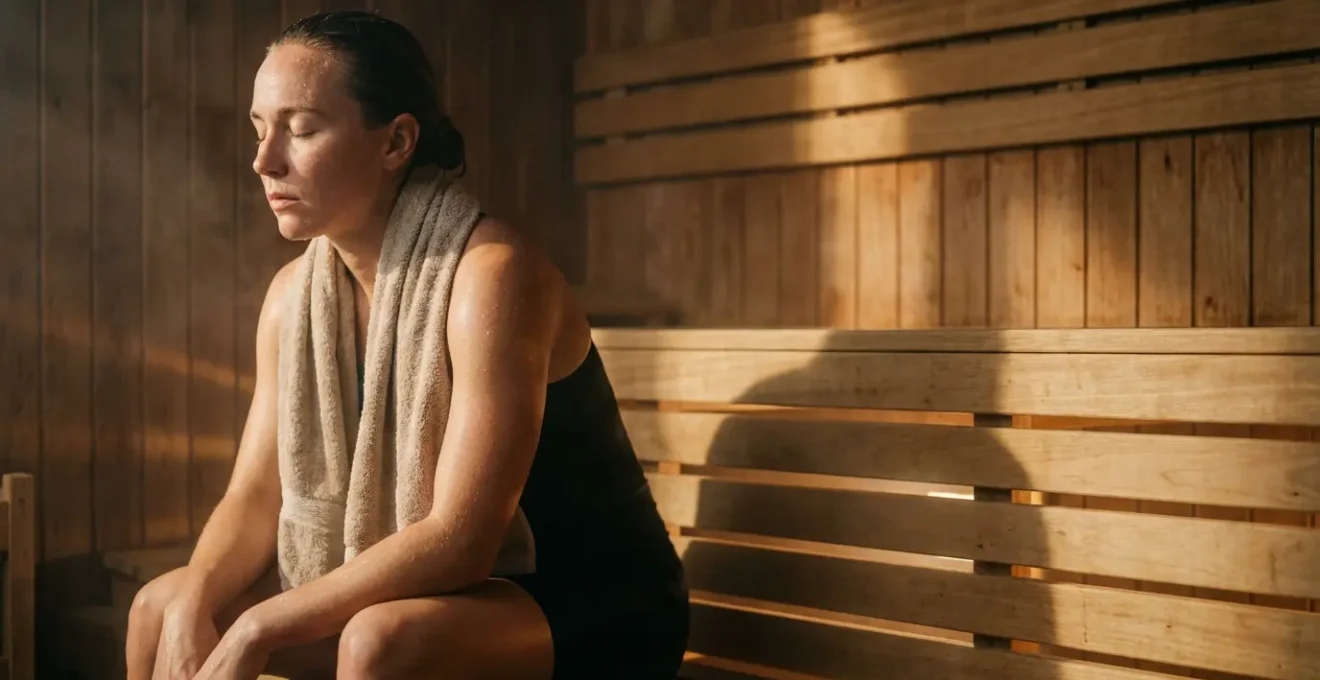
As the illustration suggests, the recovery environment is as critical as the protocol itself. The wooden interior and natural light create a low-stimulus space for the cooling phase. The protocol involves repeated cycles of intense heat followed by passive cooling, pushing the body to adapt. This method transforms the sauna from a simple relaxation tool into a powerful hormonal optimization device, directly accelerating the body’s natural repair mechanisms and providing a quantifiable boost to recovery metrics.
Social Lounge vs. Silent Room: Which is better after a high-cortisol loss?
The immediate aftermath of a high-stakes loss or a peak-stress event is characterized by a massive surge in cortisol and sympathetic nervous system activity. The choice of recovery environment in this critical window—typically the first 15 to 30 minutes post-event—can either prolong this catabolic state or initiate a rapid return to a physiological baseline. The debate between a social lounge and a silent room is not a matter of personal preference but of targeted physiological intervention. The answer is not one or the other, but a strategic sequence of both.
Immediately following a high-cortisol event, the priority is nervous system down-regulation. A silent room is unequivocally superior for this initial phase. Social interaction, even if positive, is a cognitive and emotional load that requires processing, thereby sustaining sympathetic drive. A silent, low-stimulus environment removes these inputs, allowing the parasympathetic system to regain control and initiate the process of clearing cortisol from the bloodstream. This physiological reset is the non-negotiable first step. Only after HRV begins to stabilize and the acute stress response has subsided should an athlete or executive consider transitioning to a social environment.
The following table, based on modern recovery principles, outlines a clear framework for this decision-making process. It positions the silent room as a medical necessity for Phase 1 recovery and the social lounge as an optional, secondary tool for psychological processing and team cohesion once physiological stability is restored.
| Recovery Type | Best For | Duration | Key Benefits |
|---|---|---|---|
| Silent Room (Phase 1) | Immediate post-loss | 10-15 minutes | Nervous system reset, cortisol reduction |
| Social Lounge (Phase 2) | After physiological baseline restored | Optional 15-30 minutes | Psychological processing, team bonding |
| Hybrid Approach | Balanced recovery | 25-45 minutes total | Complete physiological and psychological recovery |
Adopting this hybrid, sequenced approach ensures that both the physiological and psychological dimensions of recovery are addressed in the correct order. Attempting to socially process a loss while the body is still flooded with cortisol is counter-productive. First, reset the hardware; then, process the software.
The lighting mistake in relaxation zones that disrupts melatonin production
One of the most common and damaging mistakes in designing recovery spaces is the failure to control for light spectrum. Standard overhead lighting, particularly sources rich in blue and green wavelengths, is a powerful suppressor of melatonin, the primary hormone responsible for regulating sleep-wake cycles. Exposing the body to this type of light in the hours leading up to sleep sends a biological signal equivalent to midday sun, actively inhibiting the brain’s ability to prepare for restorative sleep. This can negate the benefits of all other recovery modalities performed.
The science is unequivocal: melatonin production is highly sensitive to specific light frequencies. Blue light (around 480nm) is the most disruptive. Conversely, research on photobiomodulation shows that light in the 600-900nm wavelength preserves melatonin. This range, which encompasses red and near-infrared light, does not activate the melanopsin receptors in the eye that signal “daytime” to the brain’s master clock, the suprachiasmatic nucleus. An optimal relaxation zone, therefore, must eliminate all sources of blue/green light and exclusively use red-spectrum lighting in the evening or during pre-sleep protocols.
This principle is now being implemented in elite facilities through targeted light therapy, often referred to as photobiomodulation. This goes beyond simply avoiding bad light and actively uses beneficial light to enhance cellular function.
Case Study: Photobiomodulation in Elite Recovery
Leading athletic recovery centers are integrating photobiomodulation (PBM) as a core modality. PBM involves therapeutic exposure to red and near-infrared light, which targets the mitochondria—the energy generators within cells. This process boosts cellular energy production (ATP), reduces oxidative stress, and decreases inflammation. For athletes, this translates into increased energy during performance and markedly faster recovery afterward. A typical protocol consists of a 20-minute session in a lie-down bed delivering specific red-light wavelengths within a private, controlled room, often used as the final step before sleep to simultaneously enhance cellular repair and protect the natural onset of melatonin production.
Ignoring the light spectrum in a recovery zone is a critical design flaw. It is equivalent to drinking a double espresso before bed. To truly optimize recovery, one must control the light environment with the same precision applied to temperature or nutrition, ensuring every environmental input is aligned with the desired physiological outcome of deep, restorative sleep.
When to slot in 20 minutes of relaxation during a 12-hour work day?
For the “corporate athlete”—the executive, trader, or surgeon navigating 12-hour workdays—recovery is not an end-of-day activity but a critical in-day performance tool. Sustained cognitive effort leads to a depletion of neurochemicals and an accumulation of mental fatigue, resulting in diminished decision-making quality and executive function. The key is not to push through this fatigue but to strategically insert a brief, potent recovery cycle to reset the system. The optimal time for this intervention is not at the end of the day, but at the mid-point or immediately following a peak-demand event (e.g., a major presentation, a difficult negotiation). This is when the cognitive load has been highest and the system is most in need of a reset.
A 20-minute reset is not a nap or a coffee break. It is a structured protocol designed to rapidly shift the brain from a state of high-frequency beta-wave activity (focused, analytical thought) to lower-frequency alpha or theta states (restful, creative thought). This is achieved through deliberate sensory deprivation followed by a controlled re-entry. The goal is to create a “reboot” of the nervous system, clearing mental clutter and restoring the capacity for high-level cognitive function for the second half of the day. A well-designed protocol can mimic the restorative effects of a much longer rest period.

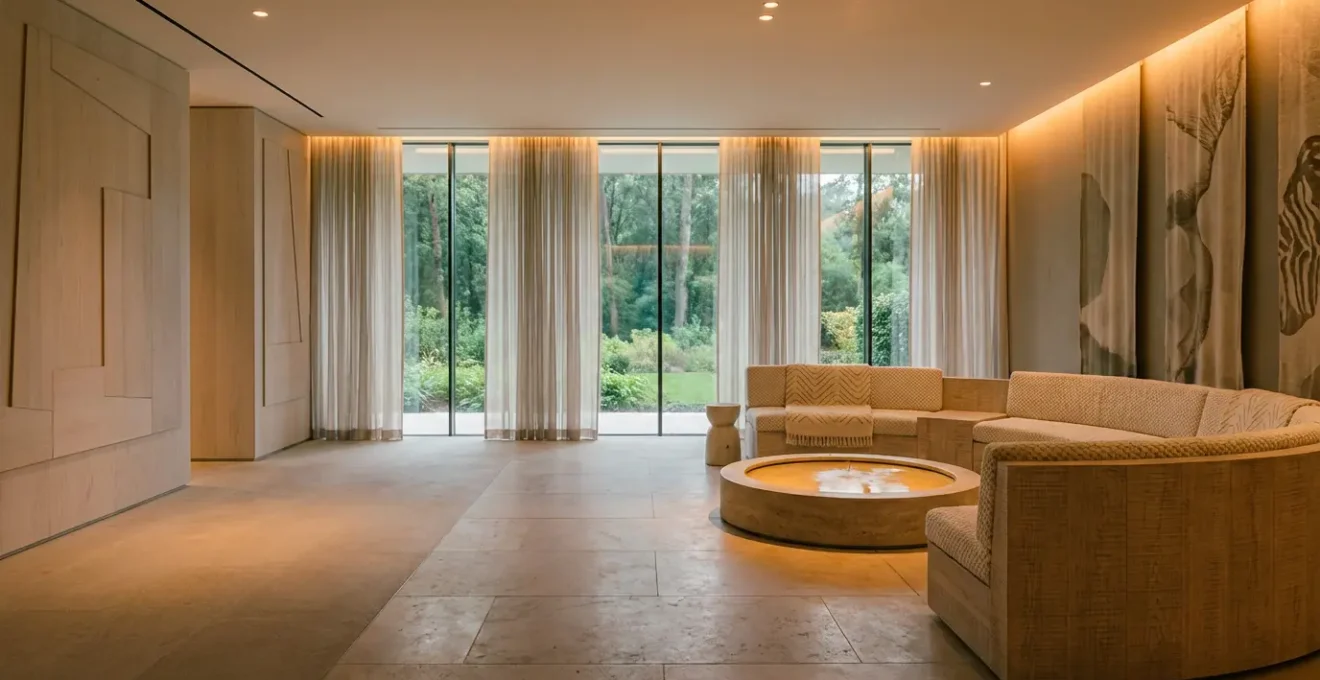
Creating a dedicated physical space for this, as depicted in the image, is crucial for signaling to the brain that it is time to switch modes. A minimalist environment with natural textures and controlled light minimizes external stimuli, facilitating a faster and deeper state of relaxation. The following protocol provides a template for a highly effective 20-minute in-work reset.
Your 20-Minute Corporate Athlete Reset Protocol
- Minutes 0-5 (Sensory Filtering): Find a quiet space. Use a high-quality eye mask and noise-canceling headphones (with no audio) to eliminate visual and auditory input. Focus on deep, diaphragmatic breathing.
- Minutes 5-15 (Mindfulness Protocol): Engage in a Non-Sleep Deep Rest (NSDR) script or a simple body scan meditation. The objective is to shift attention away from ruminating thoughts and onto physical sensations.
- Minutes 15-20 (Controlled Re-Entry): Gradually reintroduce sensory inputs. Remove the eye mask. Use a specific olfactory stimulus, like peppermint or citrus oil, for alertness. Transition to focus-enhancing instrumental music.
- Kinesthetic Activation: Perform 60 seconds of brief, dynamic stretches (e.g., arm circles, torso twists) to signal to the body that the rest period is over and it’s time to re-engage.
- Hydration & Go: Drink a glass of water and return to your work. Monitor the immediate improvement in mental clarity and focus.
By scheduling this intervention with the same discipline as a business meeting, the corporate athlete can maintain a higher baseline of cognitive performance throughout the day, preventing the burnout and decision fatigue that plague sustained high-pressure roles.
Why “Deep Sleep” repairs muscles while “REM” repairs technique?
Sleep is the single most effective recovery strategy available, but not all sleep is created equal. Viewing sleep as a monolithic block of rest is a fundamental misunderstanding. Instead, it’s a dynamic, cyclical process comprised of distinct stages, each with a highly specialized restorative function. For an elite performer, the two most critical stages are Slow-Wave Sleep (SWS), or “Deep Sleep,” and Rapid Eye Movement (REM) sleep. Dissecting their unique roles reveals why optimizing sleep architecture is paramount for both physical and cognitive recovery.
Deep Sleep is primarily for physiological repair. This is the stage where the body does its heavy lifting. During SWS, the pituitary gland releases the largest pulses of Growth Hormone (GH), which is essential for repairing muscle tissue damaged during training, strengthening bones, and modulating the immune system. Blood flow is directed away from the brain and towards the muscles, delivering oxygen and nutrients needed for rebuilding. An athlete who consistently misses out on deep sleep will experience impaired physical recovery, increased soreness, and a higher risk of injury, regardless of their training or nutrition. The consensus from sleep research confirms that 8-10 hours of sleep are optimal for athletes to ensure sufficient time in these deep, restorative stages.
REM Sleep, in contrast, is for neurological and cognitive repair. During this stage, the brain is highly active, nearly as active as when awake. This is when the brain consolidates memories and skills learned during the day—a process known as motor skill consolidation. For an athlete, this means the new technique drilled in practice, the complex playbook sequence memorized, or the strategic decision-making patterns are being hardwired into neural pathways. REM sleep effectively “saves” the day’s motor learning. Without adequate REM, an athlete might physically recover but fail to improve their technique or strategic execution.
Sleep is considered the foundation of the recovery pyramid due to its importance for athlete performance and wellbeing. Research in elite athletes suggests that their sleep quality, quantity, or both are often less than optimal. The intensity of training may also influence sleep; while sleep would be expected to improve during intensified training due to an increased need, evidence suggests this does not occur.
– Pliability Research Team, Recovery Methods for Athletes
Understanding this distinction is crucial. An athlete focused on recovering from a grueling physical competition needs to prioritize habits that promote deep sleep (e.g., cool sleeping environment, avoiding alcohol). An athlete focused on mastering a new, complex skill needs to safeguard their REM sleep (e.g., consistent wake-up times, managing stress). A truly optimized recovery plan doesn’t just target sleep duration; it strategically targets specific sleep stages.
Why extreme vasoconstriction followed by dilation flushes toxins?
The concept of “flushing toxins” is often used colloquially, but the underlying physiological mechanism is a powerful process of fluid dynamics driven by rapid changes in blood vessel diameter. Intense exercise produces metabolic byproducts, such as lactic acid and inflammatory markers, which can accumulate in muscle tissue, contributing to soreness and fatigue. The body’s circulatory system naturally clears these substances, but this process can be dramatically accelerated through the strategic use of temperature-induced vasoconstriction and vasodilation.
Vasoconstriction, the narrowing of blood vessels, is triggered by exposure to extreme cold. When an athlete immerses in a cold plunge, the peripheral blood vessels in the limbs and skin constrict dramatically. This shunts blood away from the extremities and towards the body’s core. During this process, the metabolic byproducts are effectively squeezed out of the muscle tissues and into the lymphatic system and main circulatory pathways, where they can be processed and cleared by the liver and kidneys. Effective protocols require a specific temperature and duration; recovery research indicates a range of 52-59°F (11-14°C) for 11-15 minutes is optimal for achieving this effect without risking tissue damage.
Vasodilation is the subsequent widening of blood vessels, triggered by re-warming or exposure to heat (as in contrast water therapy). Following the cold-induced constriction, this rapid dilation creates a powerful “flushing” or “pumping” action. The previously constricted vessels open wide, allowing a massive influx of fresh, oxygen-rich blood back into the muscle tissue. This new blood flow not only displaces any remaining metabolic waste but also delivers the oxygen and nutrients essential for cellular repair. This cycle of constriction and dilation acts as a hydraulic pump for the vascular system, far more potent than what the body can achieve at a stable temperature.
This is not a passive process. It is an active, mechanical intervention that manipulates the body’s plumbing to accelerate waste removal and nutrient delivery. By understanding and controlling this mechanism, an athlete can significantly reduce the time required for muscles to recover from intense exertion, decrease delayed onset muscle soreness (DOMS), and be ready to perform at a high level sooner.
Key Takeaways
- Elite recovery is a programmable system, not passive rest. The goal is to use environmental inputs to trigger specific, measurable physiological responses.
- Sequencing is critical. The order of modalities (e.g., silent room before social, heat cycles with cooling) determines the effectiveness of the hormonal and nervous system response.
- Environmental control is non-negotiable. Factors like light spectrum, temperature, and sound are not aesthetic choices but functional levers that directly impact recovery outcomes like melatonin and cortisol levels.
Designing a Post-Match Recovery Protocol That Reduces Soreness by 50%?
Achieving a 50% reduction in post-match soreness is not a fantasy; it’s an engineering objective that requires a holistic, multi-phase protocol. It moves beyond isolated modalities and integrates a sequence of interventions that address the primary drivers of soreness: metabolic waste, inflammation, and muscle micro-trauma. A successful protocol is modular, allowing for individual adjustment, but is built upon a non-negotiable sequence of physiological priorities. The entire process begins the moment the match ends.
Phase 1 (0-60 Minutes): Immediate Damage Control. The primary goal in this window is to halt the inflammatory cascade and begin refueling. This involves an immediate, gentle cool-down to aid circulation without adding stress, followed by rapid rehydration and a precisely formulated protein/carbohydrate shake to initiate glycogen replenishment and muscle protein synthesis. This is the foundational first response that sets the stage for everything that follows.
Phase 2 (1-4 Hours): Metabolic Waste Clearance. This is where targeted modalities like contrast water therapy or a specific sauna protocol are deployed. As discussed, these interventions use temperature to create a vascular pumping action, actively flushing metabolic byproducts from the muscle tissue. The choice between contrast therapy or sauna may depend on athlete preference and available facilities, but the principle of using extreme temperature shifts to accelerate waste clearance is the core of this phase.

Phase 3 (4+ Hours & Pre-Sleep): Cellular Repair and Systemic Recovery. As the day concludes, the focus shifts to optimizing the body’s overnight repair cycles. A 20-minute red light therapy session can reduce systemic inflammation and support mitochondrial function. Critically, preparing for sleep involves creating an optimal environment: a cool room temperature and complete darkness to maximize the deep sleep and REM cycles where the majority of physical and neurological repair occurs. The final, and perhaps most important, step is tracking. Logging subjective soreness scores (on a 1-10 scale) and objective data like daily HRV allows for the continuous iteration and personalization of the protocol, ensuring it is maximally effective for the individual athlete’s unique physiology.
By shifting from a haphazard approach to a structured, multi-phase protocol, reducing soreness by half becomes a predictable outcome. Start implementing these sequenced phases today to transform your post-performance recovery from a period of suffering into a strategic advantage.