
The long-held belief that all carbs are created equal for race day is the single biggest mistake holding back your performance.
- Sustained energy isn’t about “slow release” in general; it’s about mastering the Glycemic Index to prevent performance-killing insulin spikes.
- Key components of “healthy” carbs, like fiber, become a liability before a race, actively working against your body’s energy needs.
Recommendation: Shift your mindset from simply ‘eating carbs’ to executing a precise biochemical fueling protocol that strategically transitions from complex to simple carbohydrates as the starting gun approaches.
For any endurance athlete, the question isn’t *if* you’ll need energy, but *how* you’ll sustain it. You’ve felt it before: the sudden, hollow feeling, the heavy legs, the mental fog. It’s the dreaded ‘bonk,’ where the body’s fuel tank runs dry. The conventional wisdom is a chaotic mix of advice: “carb-load on pasta,” “avoid candy bars,” “eat some oats.” While not entirely wrong, this advice misses the fundamental point. Fueling for endurance isn’t just a matter of calories; it’s a masterclass in biochemistry. It’s about understanding that the energy from a bowl of oatmeal and a piece of toast are not just different, they are metabolically opposite in their effect on your performance.
The real key to unlocking peak endurance is to stop thinking like a cook and start thinking like a carbohydrate metabolist. The superiority of complex carbohydrates over simple sugars isn’t a simple preference; it’s a strategic advantage rooted in molecular structure, digestion speed, and hormonal response. This guide moves beyond the platitudes. We will dissect the biochemical choreography that governs energy release, showing you not only which carbs to eat, but precisely *when* and *why*. We’ll explore why the very fiber in your healthy brown rice can sabotage your race, when to make the critical switch to simple sugars, and how to prevent your body from turning on itself for fuel. This is your roadmap to sustained power, turning nutritional science into your most powerful piece of gear.
For those who prefer a visual summary, the following video offers a vibrant, high-energy look at the core concepts of athletic performance, setting the stage for the detailed strategies in this guide.
To navigate this deep dive into endurance fueling, we have structured the article to address the most critical questions athletes face. The following summary outlines the journey from foundational science to practical, race-day application.
Summary: A Metabolist’s Guide to Endurance Fueling
- Why Oats Release Energy for 3 Hours While Toast Lasts 30 Minutes?
- How to Prepare Quinoa and Brown Rice So They Actually Taste Good?
- Sweet Potato vs. Pasta: Which Provides Better Micronutrients?
- The Fiber Mistake: Why Eating Too Many Whole Grains Before a Race Causes Cramps?
- When to Switch from Complex to Simple Carbs Before the Starting Gun?
- Why Slow Jogging Helps You Recover Faster Between Explosive Sprints?
- The Nutrition Mistake That Turns Intense Activity into Muscle Catabolism
- Does Organic Produce Really Contain More Nutrients for Athletes?
Why Oats Release Energy for 3 Hours While Toast Lasts 30 Minutes?
The vast difference in energy delivery between oats and toast boils down to one critical concept: the Glycemic Index (GI). This isn’t just a number; it’s the blueprint for your blood sugar response. Complex carbohydrates, like steel-cut oats, are composed of long, complex chains of sugar molecules. Your body must work hard, enzymatically “unlocking” each link in the chain. This results in a slow, steady trickle of glucose into the bloodstream, providing sustained fuel without a dramatic insulin spike. This metabolic control is the cornerstone of endurance.
White toast, on the other hand, is made from refined flour. The complex structures have been pulverized, making it functionally closer to a simple sugar. Your body digests it rapidly, causing a flood of glucose into your blood. The pancreas responds by releasing a large amount of insulin to manage this surge, leading to a quick burst of energy followed by the infamous “crash” as blood sugar plummets. This is a disastrous cycle for an endurance event. The science is clear: clinical trials show the glucose peak-rise after steel-cut oats is significantly less than after more processed options, providing a flatter, more stable energy curve.
This biochemical choreography is not accidental. Choosing low-GI foods is a conscious decision to manage your hormonal environment for hours, not minutes. It’s the difference between a controlled burn and an explosive flash—and in an endurance race, you need a fire that lasts.
How to Prepare Quinoa and Brown Rice So They Actually Taste Good?
Let’s be honest: for many athletes, the words “brown rice” and “quinoa” conjure images of bland, boring health food. This is a critical barrier to consistent fueling. The secret to transforming these nutritional powerhouses into genuinely delicious meals lies in two areas: removing bitterness and building flavor layers. For quinoa, the first step is non-negotiable: rinse it thoroughly under cold water. Quinoa grains are coated in saponins, a natural compound that tastes bitter and soapy. A 30-second rinse removes this layer completely.
Once rinsed, the flavor-building begins. Ditch the plain water. Cooking your grains in a low-sodium vegetable or chicken broth provides a savory base from the start. After cooking, don’t just dump it in a container. While still warm, toss it with a good quality olive oil, a squeeze of fresh lemon or lime juice, and a generous amount of fresh herbs like cilantro, parsley, or mint. The warmth of the grains will bloom the flavors of the oil and herbs. For brown rice, a similar approach works wonders. Adding aromatics like a bay leaf, a smashed garlic clove, or a strip of lemon peel to the cooking water infates the rice with subtle complexity. The goal is to treat these carbs not as a chore, but as a canvas for flavor.
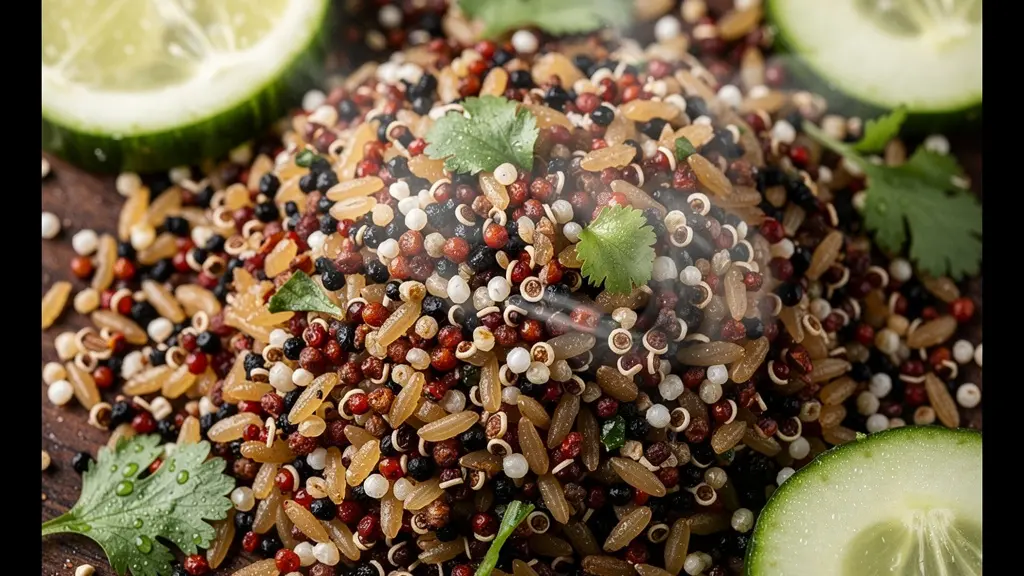
Finally, think texture and temperature. A warm bowl of herbed quinoa topped with cold, crunchy cucumber, creamy avocado, and toasted nuts is a world away from a bland, monotonous mush. By focusing on these preparation techniques, you integrate elite fuel into your diet not out of discipline, but out of genuine enjoyment, ensuring your body gets the consistent, high-quality complex carbs it needs to perform.
Sweet Potato vs. Pasta: Which Provides Better Micronutrients?
When it comes to pre-race carb-loading, pasta has long been the default. However, from a pure micronutrient perspective, the humble sweet potato is a biochemical superstar for athletes. While both provide the necessary carbohydrates for glycogen storage, their nutritional profiles are drastically different. A general guideline from sports nutritionists is that athletes should consume about 6 to 10 grams of carbohydrates per kilogram of body weight daily, but the *quality* of those carbs matters for more than just energy.
The sweet potato delivers a potent payload of vitamins and minerals crucial for performance and recovery. Its most notable advantage is its staggering Vitamin A content, a powerful antioxidant that helps combat the oxidative stress generated during intense exercise. Furthermore, it’s packed with potassium, an essential electrolyte for maintaining fluid balance and preventing debilitating muscle cramps. While pasta is an effective and easy-to-digest source of pure carbohydrates, it offers very little in the way of these performance-enhancing micronutrients.
The following table breaks down the stark contrast in nutritional density, highlighting why a sweet potato isn’t just fuel, but also a tool for recovery and resilience.
| Nutrient | Sweet Potato (100g) | Pasta (100g) | Athletic Benefit |
|---|---|---|---|
| Potassium | 337mg | 44mg | Prevents muscle cramps |
| Vitamin A | 14,187 IU | 0 IU | Antioxidant for recovery |
| Magnesium | 25mg | 18mg | Muscle function |
| Fiber | 3g | 1.8g | Sustained energy release |
This doesn’t mean pasta is “bad”—its low-fiber nature makes it an excellent choice closer to race day. However, during a heavy training block, prioritizing micronutrient-dense carbohydrates like sweet potatoes provides a dual benefit: replenishing glycogen stores while simultaneously supplying the vitamins and minerals your body needs to repair and adapt.
The Fiber Mistake: Why Eating Too Many Whole Grains Before a Race Causes Cramps?
For years, athletes have been told to eat whole grains for their “slow-release” energy. This is sound advice for general health, but it becomes a critical performance mistake in the 24-48 hours before an endurance event. The very component that makes whole grains healthy—fiber—turns into a metabolic saboteur during intense activity. The problem is a battle for resources, specifically blood flow.
During a race, your body diverts up to 80% of its blood flow away from the digestive system and toward the working muscles. This is a survival mechanism to deliver oxygen and fuel where they’re needed most. However, a gut full of high-fiber foods like brown rice, whole-grain bread, or a large salad demands significant blood flow to perform digestion. This creates a physiological tug-of-war. The gut, starved of blood, can’t process the fiber, leading to fermentation, gas, bloating, and that dreaded brick-in-the-stomach feeling. This isn’t a rare occurrence; research shows that 30 to 60% of endurance athletes experience gastrointestinal distress during long events, and poor fiber timing is a major culprit.
The biochemical mechanism is clear: indigestible fiber sits in the large intestine and begins to ferment. This process draws water into the gut and produces gas, leading directly to cramping and an urgent need for a bathroom break. To avoid this race-day disaster, the strategy is to systematically reduce fiber intake as the event approaches, switching from whole grains to their refined—and more easily digestible—counterparts like white rice and white pasta. This isn’t “unhealthy” eating; it’s strategic, performance-focused fueling.
When to Switch from Complex to Simple Carbs Before the Starting Gun?
The transition from complex to simple carbohydrates isn’t a vague suggestion; it’s a timed, strategic protocol. This “metabolic switch” is designed to top off glycogen stores without causing the gastrointestinal distress we’ve discussed. As the race nears, your goal shifts from sustained, long-term energy to readily available, fast-acting fuel. The digestive system needs to be as quiet as possible when the starting gun fires.
This is a game of hours, not days. While the days prior are for loading with complex carbs (while tapering fiber), the final hours are for easily absorbed sugars. A simple sugar high from a gel or sports drink is short-lived, and if timed incorrectly, leads to a crash. As the Crank Sports Research Team notes, when blood sugar drops below normal after a spike, the body reduces insulin production, which acts as the gatekeeper for glucose into muscles. This further cripples performance. Therefore, the timing of your final fuel intake is paramount.

The final pre-race meal, consumed 2-3 hours before the event, should be composed of 100-150 grams of very low-fiber carbohydrates. Think white rice with honey, a plain bagel, or a sports-specific drink. This gives your body enough time to digest and absorb the fuel, clearing your gut while ensuring your muscle glycogen is at 100%. From this point until the race starts, you are only “sipping” on simple carbs via sports drinks to keep levels topped off without initiating a major digestive process.
Your Pre-Race Carb-Switching Protocol
- 72 Hours Out: Begin your primary carb load. Aim for 4-5 grams of easy-to-digest carbs (white pasta, white rice, bananas) per pound of body weight daily. Fiber should be actively reduced.
- Race Morning (2-3 Hours Out): Consume your final meal. Target 100-150 grams of low-fiber, high-GI carbs. Allow at least 1 hour of digestion time for every 200-300 calories.
- The Final Hour: Cease eating solid food. You may sip on a sports drink containing simple sugars to keep blood glucose stable without stimulating the gut.
- During the Race: After 45-90 minutes of activity, begin your in-race fueling. A good target is consuming grams of carbs equal to ¼ or ⅓ of your body weight in pounds each hour.
- Post-Race Audit: After your event, note any GI distress or energy fluctuations. Use this data to fine-tune your timing and quantities for the next race.
Why Slow Jogging Helps You Recover Faster Between Explosive Sprints?
While our primary focus is pre-event fueling, the principles of carbohydrate metabolism are just as critical for recovery. The period immediately following intense exercise—whether it’s a long run or a series of explosive sprints—is known as the “metabolic window.” During this time, your muscles are screaming for nutrients to repair damage and, most importantly, replenish depleted glycogen stores. Failing to refuel properly in this window means you start your next workout already in a deficit.
Active recovery, such as a slow jog after sprints, plays a crucial role. It keeps blood circulating through the muscles, which helps shuttle out metabolic byproducts like lactate and, more importantly, facilitates the delivery of nutrients. This enhanced circulation keeps the metabolic machinery “warm” and ready to receive fuel. Once you stop moving, the clock starts ticking. Your goal is to get simple, fast-acting carbohydrates and protein into your system as quickly as possible.
The ideal recovery fuel isn’t a complex, slow-digesting meal. It’s the opposite. You need to bypass the digestive workload and get glucose and amino acids to your muscles immediately. A good target for this post-workout meal or shake is 25-100 grams of simple carbs (like dextrose or fruit juice) and 20-30 grams of fast-absorbing protein (like whey isolate). This combination creates an insulin spike, which is actually desirable post-exercise, as insulin is a highly anabolic hormone that drives glucose and amino acids into muscle cells, kick-starting the repair and refueling process. Waiting too long or choosing slow-digesting foods slams this metabolic window shut, compromising your recovery and your performance in the next session.
Key Takeaways
- The Glycemic Index (GI) is your primary tool; low-GI complex carbs provide sustained energy, while high-GI carbs are for strategic, timed use.
- Fiber, while healthy, is an athlete’s enemy in the 24-48 hours before a race, causing significant GI distress by competing for blood flow.
- Fueling is a timed protocol: transition from complex carbs days out to simple, low-fiber carbs on race morning to maximize glycogen stores and minimize gut issues.
The Nutrition Mistake That Turns Intense Activity into Muscle Catabolism
The single most destructive nutrition mistake an endurance athlete can make is restricting carbohydrates during periods of intense training. This practice, often born from misguided weight-loss trends, forces the body into a state of metabolic desperation. When deprived of its preferred fuel source—glucose—the body will find energy wherever it can. After depleting its limited glycogen stores, it turns to a devastating alternative: breaking down valuable muscle tissue to convert amino acids into glucose. This process is known as muscle catabolism.
You are literally sacrificing your engine to keep the lights on. Every training session done in a carb-depleted state doesn’t just fail to build fitness; it actively dismantles the muscle you’ve worked so hard to build. Performance plummets, recovery slows to a crawl, and the risk of injury skyrockets. The Nduranz Sports Nutrition Team puts it bluntly:
Athletes who limit carbohydrate consumption during training often experience diminished performance, slower recovery, and decreased focus. Training on a keto diet is a miserable experience marked by extreme fatigue.
– Nduranz Sports Nutrition Team, Carbohydrates for Endurance Athletes: A Comprehensive Guide
This isn’t just about feeling bad. The long-term consequences are serious. The emerging scientific consensus is that chronic carbohydrate restriction is now considered the cause of Relative Energy Deficiency in Sports (RED-S), a syndrome that can lead to hormonal imbalances, decreased bone density, and a compromised immune system. For an athlete, adequate carbohydrate intake is not a choice; it is the foundation of performance, recovery, and long-term health.
Does Organic Produce Really Contain More Nutrients for Athletes?
The debate over organic versus conventional produce often centers on pesticide residue, but for athletes, the core question is performance: does “organic” mean more nutritious? The scientific consensus is currently… inconclusive. While some studies show marginally higher levels of certain antioxidants and vitamins in organic foods, the differences are often small and may not be significant enough to impact athletic performance in a measurable way. The nutritional content of any plant is influenced more by factors like soil quality, time of harvest, and post-harvest storage than by the organic certification alone.
A perfectly ripe, conventionally grown sweet potato will almost certainly be more nutrient-dense than a long-stored, out-of-season organic one. The priority for an athlete should be consuming a wide variety of fresh, vibrant fruits and vegetables, regardless of the label. The marginal gain from a slightly higher antioxidant level in an organic berry is insignificant compared to the performance loss from inadequate overall carbohydrate intake.
However, the conversation around carb quality and health reveals a fascinating and counter-intuitive twist. An exclusive focus on maximizing carbohydrate intake, even from “healthy” sources, may have its own risks. In a surprising finding, a 2023 study found that 3 in 10 middle-aged endurance athletes developed prediabetic fasting glucose levels after just 31 days on a traditional high-carb diet. This suggests that even for highly active individuals, an unrelenting high-carb load can tax the metabolic system. It underscores that nutrition is highly individual. While complex carbs are superior fuel, the optimal *quantity* and timing may vary greatly from one athlete to another, emphasizing the need for personalized strategies over one-size-fits-all dogma.
Now that you understand the deep science of carbohydrate metabolism, the next logical step is to apply this knowledge. Begin by auditing your current nutrition plan and start implementing these strategic principles to transform your performance and unlock your true endurance potential.